What Is Trading and How Can You Start Trading Successfully
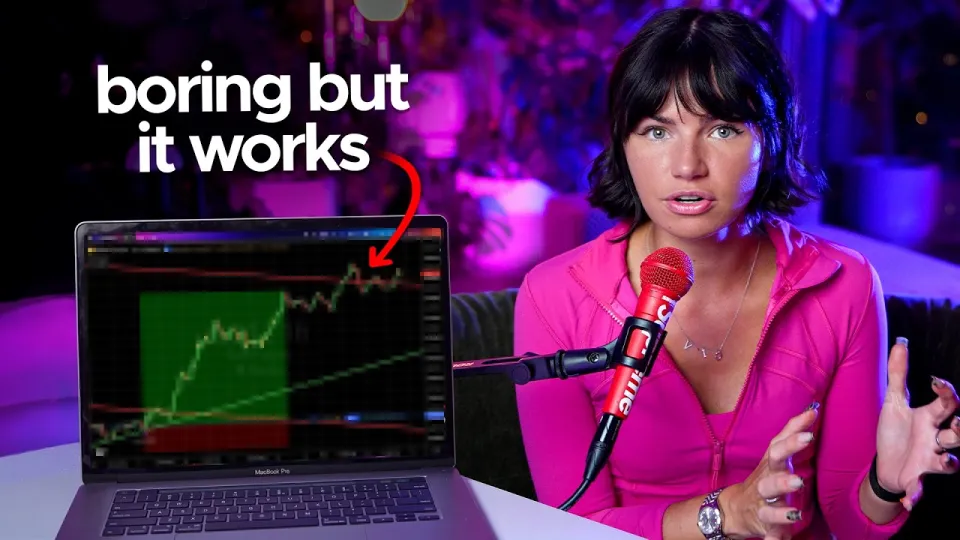
Video: Unfortunately, trading really is this simple
You can order the same kind of articles for your own video to boost it on YouTube and Google. Just message the Telegram bot @sat_sit_bot. Articles with your video embedded are written and posted by the bot itself — on popular topical sites (no ads). Your first 50 articles are free.
· based on the channel Tori Trades
Trading is the process of buying and selling financial instruments like stocks, futures, or forex with the goal of making a profit. Trading can be surprisingly simple, and it does not require an economics degree or advanced math skills. Anyone can learn effective trading strategies by focusing on a few key principles and practicing consistently. For those interested, joining a waitlist for educational resources like Tori Trades' waitlist can provide structured guidance and support.
What Is Trading and How Does It Work
At its core, trading involves speculating on price movements of assets such as futures contracts, forex pairs, or stocks. Futures trading, for example, allows traders to agree on buying or selling an asset at a predetermined price on a set future date. This creates opportunities to profit from price changes without owning the underlying asset immediately. Successful trading depends on understanding market trends, managing risk, and timing entries and exits effectively.
Simple Trading Strategies with Trendlines
One of the foundational tools for many traders is the use of trendlines, which are straight lines drawn on charts to connect price highs or lows and identify the overall direction of a market trend. A basic trendline strategy involves:
- Identifying a clear upward or downward trend by connecting successive highs or lows.
- Entering trades when the price bounces off these trendlines, signaling the continuation of the trend.
- Setting stop losses just beyond the trendline to limit potential losses if the trend reverses.
These steps help traders stay aligned with market momentum and minimize risk. Trendline strategies work well in futures and forex markets where price action is often smooth enough to recognize consistent trends.
Managing Volatility and Risk in Futures Trading
Futures markets, including commodities like gold, can be highly volatile. Price movements may shift from calm to rapid and unpredictable in seconds, as noted by traders who have experienced quick swings that can either generate profits or cause large losses. To manage this volatility:
- Always set stop-loss orders to exit losing trades quickly.
- Monitor trades actively, especially during known volatile periods.
- Limit the size of positions to avoid outsized losses.
Being prepared for sudden moves and managing risk carefully is essential for long-term success in futures trading.
Tools and Resources for Tracking Trades
Keeping a detailed record of your trades helps identify patterns, strengths, and weaknesses in your trading approach. Platforms like TradeZella offer tools to track entries, exits, profits, and losses systematically. Using such tools can improve discipline and help refine strategies over time. For example, TradeZella provides analytics and reports that make it easier to evaluate performance and adjust tactics accordingly.
Common Questions and Challenges in Trading
Many new traders wonder where to place stop losses relative to trendlines or how trading futures differs from stocks. Generally, stops should be set just beyond the trendline support or resistance to allow for normal price fluctuations. Unlike stocks, futures contracts often require more active management due to higher leverage and volatility. Additionally, some traders worry about algorithmic trading in stocks, which can make price moves less predictable. Understanding the market you trade and its unique characteristics is crucial.
Useful Links
- Join Tori Trades waitlist for trading education and bonuses: https://go.toritradez.com/waitlist-1009
- Track trades with TradeZella and get a discount: https://www.tradezella.com/?via=victoria
- Broker used by Tori Trades: https://www.tradestation.com/promo/toritrades/
- Follow Tori Trades on Instagram: https://www.instagram.com/tori.trades.futures/
Conclusion
Trading is accessible to anyone willing to learn simple, proven strategies like trendline trading combined with disciplined risk management. Tools such as TradeZella enhance the learning process by tracking your progress objectively. Futures trading offers exciting opportunities but requires active management due to rapid price swings. Resources from channels like Tori Trades provide practical step-by-step guidance for traders starting out or refining their skills. For those ready to improve their trading journey, signing up for educational waitlists like Tori Trades' waitlist is a strong first step toward consistent success.
Key takeaways
- Trading does not require a finance degree or expert math skills.
- Trendlines and simple strategies can guide entry and exit points.
- Futures trading involves contracts to buy or sell assets at a future date.
- Risk management and quick decision-making are crucial due to volatility.
- Tracking trades with tools like TradeZella enhances discipline and results.
Source: Unfortunately, trading really is this simple · Markdown version
Questions & answers
Do I need a finance degree or advanced math skills to start trading?
No, trading can be simple and does not require a finance degree or advanced math. Effective trading relies more on understanding market behavior, using clear strategies like trendlines, and disciplined practice.
How do I decide where to place stop-loss orders when trading with trendlines?
Stop-loss orders are usually placed just beyond the trendline to allow for normal price fluctuations while limiting losses if the trend reverses. The exact distance depends on the asset's volatility and your risk tolerance.
What makes futures trading different from stock trading?
Futures trading involves contracts for assets to be bought or sold at a future date and is often more leveraged and volatile than stock trading. This requires active management and a strong focus on risk control, as price swings can be rapid and significant.
How can I track my trades effectively to improve my performance?
Using trade tracking platforms like TradeZella helps keep detailed records of your trades, profits, and losses. This allows you to analyze your strategy’s effectiveness and make informed adjustments to improve over time.